Intelligent Television

Video for culture & education

Productions: The Memory Project

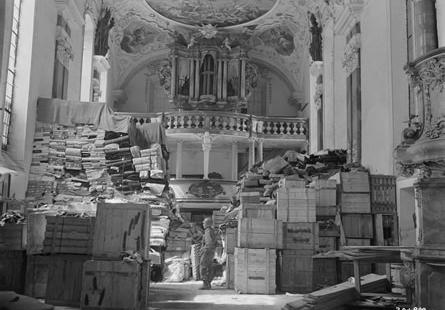
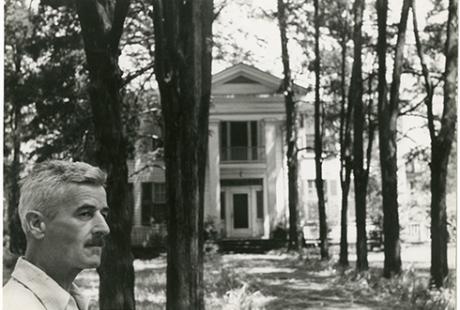
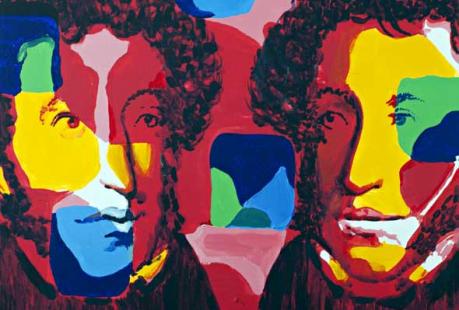
What is a memory? How are memories made? How are memories lost? Erased? How does a group—a society—remember, then memorialize, an event?

Play video:

The story of American history involves countless memorializations of the great and hard events in American history—from the Revolutionary War to the Civil War the attacks of September 11.  Our social memory works its way out in our museums; monuments; national, regional, state, and local historical societies; archives; holidays (including Memorial Day, has its own a complicated history); libraries; street names; films and media; reenactments; and the names we put on buildings.

“The Memory Project” brings a team of talented filmmakers to unfurl stories about the American way of remembering.  They work closely with the project’s distinguished editorial advisory board of historians, psychologists, anthropologists, librarians, and archivists—experts on the way individuals, societies, and countries remember and forget their own history.  The project is sponsoring the widespread collection of American memories and includes documentaries of compelling case studies; digital media published for education on the university level; a digital repository of scientific data and personal stories from the broader community; and a new, immersive installation at science museums that partially simulates the experience of losing one’s memory;

The Memory Project is co-produced with Big Year Productions, Alexandria Productions, the Library of Congress, and the University of Southern California.

All video content on this page is published under a Creative Commone Attribution 3.0 Unported licenseCreative Commons BY 3.0 license

For further information about Intelligent Television projects and productions, or to get involved, please contact the company.

 
Intelligent Television logo

Tools to explore

VITAL logo

Video Interactions for Teaching and Learning (VITAL) is a web-based learning environment that enables students to view, analyze, and communicate ideas with video. VITAL was originally created to help students practice their observation and interpretation skills in developmental psychology courses at Columbia University’s Teachers College. Today VITAL is deployed in a wide range of courses and disciplines across Columbia University, from the School of Social Work to the School of the Arts.

Archives for today

San Francisco Bay Area Television Archive

James Baldwin talking with students

The San Francisco Bay Area Television Archive, established in 1982, preserves more than 4,000 hours of newsfilm, documentaries, and other programs produced in northern California between 1939 and 2005.  Among the treasures recently put online are 1960s films of James Baldwin and Maya Angelou and Marlon Brando speaking at the funeral of Black Panther Bobby Hutton. The Archive is part of San Francisco State University Library’s Department of Special Collections.

What we're watching

Forum Network logo

Forum Network
Involving public media and partners in video online.

Vectors logo

Vectors
A new journal in a dynamic vernacular.

Photograph of Jesus video screenshot

Photograph of Jesus
Plus a group shot of the men on the moon.

What we're reading

Mobile Video Capture Soars; Now Brace Yourself for Views and Uploads

Pew reports 34 % of U.S. cell phone customers use their phones to record video. GigaOm reports on this, and notes that YouTube mobile videos increased 160 percent in 2009. Visit Mobile Video Capture Soars; Now Brace Yourself for Views and Uploads

http://wendy.seltzer.org/anticircumvention.pdf

Wonderful piece by Wendy Seltzer about DRM, anti-circumvention, and innovation. "DRM frustrates lawful use and the creation of new technology products with- out saving the entertainment companies from the uncompensated reproduction they feared. In the meantime, it forecloses the open innovation that could lead them and society toward new options that could be better for [...]

AIMS project / born digital archives

"The AIMS project, funded by The Andrew W. Mellon Foundation, represents a co-operative strategy among four partner institutions, to energize collection development in the area of born-digital papers, and to empower librarians and archivists in the management of born-digital assets. The four partners in the project led by the University of Virginia are Stanford University, [...]

Digital Lives

Digital Lives has produced some of the best work on personal archiving, and is holding a seminar about it on Monday, 5 July. Visit Digital Lives

RSS feedmore on the Archival.tv blog